










Founded
Occupancy
Accreditation
Who We Treat
Specializations
Levels of Care
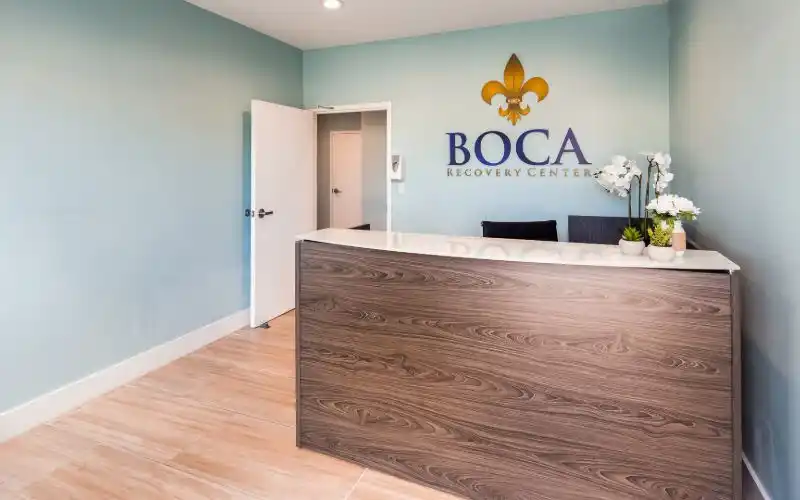
About Boca Recovery Center
Treating addiction and co-occurring mental health conditions, trauma, and eating disorders with medical detox, residential care, and outpatient programs.
Accepted Insurances
Treatment
Methods
Evidence-Based
A combination of scientifically rooted therapies and treatments make up evidence-based care, defined by their measured and proven results.
Individual Treatment
Individual care meets the needs of each patient, using personalized treatment to provide them the most relevant care and greatest chance of success.
1-on-1 Counseling
Patient and therapist meet 1-on-1 to work through difficult emotions and behavioral challenges in a personal, private setting.
Art Therapy
Visual art invites patients to examine the emotions within their work, focusing on the process of creativity and its gentle therapeutic power.
Life Skills
Teaching life skills like cooking, cleaning, clear communication, and even basic math provides a strong foundation for continued recovery.
Motivational Interviewing and Enhancement Therapy (MET)
This approach is based on idea that motivation to change comes from within. Providers use a conversational framework that may help you commit to recovery.
Psychoeducation
This method combines treatment with education, teaching patients about different paths toward recovery. This empowers them to make more effective decisions.
Relapse Prevention Counseling
Relapse prevention counselors teach patients to recognize the signs of relapse and reduce their risk.
Sound Therapy
Sound therapy incorporates music, sound waves, and vibrations to promote emotional and spiritual healing.
Group Therapy
Two or more people meet with a therapist together. Patients get valuable peer support, strengthen interpersonal skills, and improve self-awareness.
Family Therapy
Family therapy addresses group dynamics within a family system, with a focus on improving communication and interrupting unhealthy relationship patterns.
Music Therapy
Singing, performing, and even listening to music can be therapeutic. Music therapy sessions are facilitated by certified counselors.
Recreation Therapy
In recreation therapy, recovery can be joyful. Patients practice social skills and work through emotional triggers by engaging in fun activities.
Spiritual Care
Tending to spiritual health helps treatment become more effective, allowing patients to better cope with their emotions and rebuild their spiritual wellbeing.
Twelve Step Facilitation
12-Step groups offer a framework for addiction recovery. Members commit to a higher power, recognize their issues, and support each other in the healing process.
Experiential Therapy
With this approach, patients heal by doing. Therapists help patients process difficult emotions to speak, using guided activities like art or dance.
Twelve Step
Incorporating spirituality, community, and responsibility, 12-Step philosophies prioritize the guidance of a Higher Power and a continuation of 12-Step practices.
Conditions We Treat
Personality Disorders
These disorders affect an individual's way of thinking, feeling, and behaving, often leading to strained relationships and significant emotional distress.
ADHD, ADD
ADHD, characterized by inattention, hyperactivity, and impulsivity, stems from dopamine irregularities and is a common mental health condition.
Alcohol
Dependence on alcohol for coping or excessive drinking indicates a disorder that can have serious health and social implications.
Anxiety
Anxiety disorders involve excessive worry and physical symptoms such as tension and elevated blood pressure, often interfering with daily life.
Benzodiazepines
Used for treating anxiety and sleep problems, benzodiazepines can be highly addictive, leading to mood swings and impaired judgement when abused.
Bipolar
Bipolar disorder features intense mood swings from highs (mania) to lows (depression), impacting one's ability to function normally.
Co-Occurring Disorders
When someone has both a mental health disorder and substance abuse issue, it is known as a dual diagnosis or co-occurring disorder.
Cocaine
Cocaine is a powerful stimulant that creates euphoria but can lead to severe health issues like heart problems and psychosis with prolonged use.
Codependency
This behavioral condition involves excessive emotional or psychological reliance on a partner, often seen in relationships involving addiction.
Drug Addiction
Substance addiction involves compulsive drug use despite adverse consequences, negatively affecting health, relationships, and daily life.
Heroin
Heroin, an illicit opioid, is highly addictive and can cause severe health issues such as heart problems, insomnia, and collapsed veins.
Methamphetamine
Methamphetamine increases energy and alertness but can cause severe mental and physical health issues, including paranoia and agitation, with long-term use.
Opioids
Opioids, which include prescription painkillers and heroin, can lead to addiction due to their pain-relieving and euphoric effects.
Prescription Drugs
Misuse of prescribed medications, driven by cravings or overuse, can lead to addiction, necessitating professional intervention.
Post Traumatic Stress Disorder
PTSD arises from traumatic events, causing symptoms like flashbacks, anxiety, and intrusive thoughts that can persist long after the event.
Synthetic Drugs
Lab-made drugs, unlike natural ones, include stimulants and synthetic cannabinoids, which can have unpredictable and dangerous effects.
Trauma
Traumatic experiences can result in long-lasting mental health challenges, often referred to collectively as trauma, requiring specialized care.
Anger
While anger itself is not a disorder, it can become problematic if it disrupts relationships and daily activities, making management strategies essential.
Burnout
Burnout is characterized by extreme exhaustion and lack of fulfillment, often resulting from prolonged work-related stress and overcommitment.
Chronic Pain Management
Ongoing physical pain can lead to mental health issues and affect daily life, highlighting the need for effective management strategies.
Chronic Relapse
Repeated relapse after periods of recovery from addiction is a chronic condition that requires ongoing treatment and support.
Stress
While stress can help you adapt to challenges, chronic stress can lead to serious physical and mental health problems that require intervention.
Pornography
Pornography addiction involves a dependency that interferes with daily life and relationships, often requiring professional support for recovery.
Eating Disorders
Eating disorders are characterized by unhealthy eating behaviors and distorted body image, often requiring comprehensive treatment.
Depression
Depression ranges from mild to severe, causing feelings of fatigue, numbness, and disinterest in daily activities, impacting overall well-being.
Gaming
Excessive gaming, particularly among children and teens, can affect physical health, sleep, and focus, often requiring intervention to manage.
Shopping Addiction
Compulsive shopping and spending can strain finances, relationships, and emotional health, necessitating treatment to address the behavior.
Suicidality
Suicidality involves thoughts or plans of suicide, which is a serious symptom of mental health issues that requires immediate attention.
Schizophrenia
Schizophrenia is a severe mental disorder causing hallucinations, delusions, and disorganized thinking, needing comprehensive treatment.
Internet Addiction
Compulsive internet use, especially among children and teens, can impact relationships, academic performance, and health, needing proper management.
Staff

Dr. Alison Tarlow
Chief Clinical Director, Psy.D