








Founded
Occupancy
Accreditation
Who We Treat
Specializations
Levels of Care
About Pacific Quest
Treatment
Methods
Evidence-Based
A combination of scientifically rooted therapies and treatments make up evidence-based care, defined by their measured and proven results.
Holistic
A non-medicinal, wellness-focused approach that aims to align the mind, body, and spirit for deep and lasting healing.
1-on-1 Counseling
Patient and therapist meet 1-on-1 to work through difficult emotions and behavioral challenges in a personal, private setting.
Trauma-Specific Therapy
This form of talk therapy addresses any childhood trauma at the root of a patient's current diagnosis.
Art Therapy
Visual art invites patients to examine the emotions within their work, focusing on the process of creativity and its gentle therapeutic power.
Eye Movement Therapy (EMDR)
Lateral, guided eye movements help reduce the emotional reactions of retelling and reprocessing trauma, allowing intense feelings to dissipate.
Somatic Experiencing
This method treats emotional trauma stored in the body. A therapist helps patients work through the physical feelings associated with emotional pain.
Acceptance and Commitment Therapy (ACT)
This cognitive behavioral therapy teaches patients to accept challenging feelings and make the appropriate changes to reach personal goals.
Group Therapy
Two or more people meet with a therapist together. Patients get valuable peer support, strengthen interpersonal skills, and improve self-awareness.
Yoga
Yoga is both a physical and spiritual practice. It includes a flow of movement, breathing techniques, and meditation.
Adventure Therapy
This experiential approach uses the physical and emotional challenges of outdoor activities as tools for personal growth.
Family Therapy
Family therapy addresses group dynamics within a family system, with a focus on improving communication and interrupting unhealthy relationship patterns.
Twelve Step Facilitation
12-Step groups offer a framework for addiction recovery. Members commit to a higher power, recognize their issues, and support each other in the healing process.
Expressive Arts
Creative processes like art, writing, or dance use inner creative desires to help boost confidence, emotional growth, and initiate change.
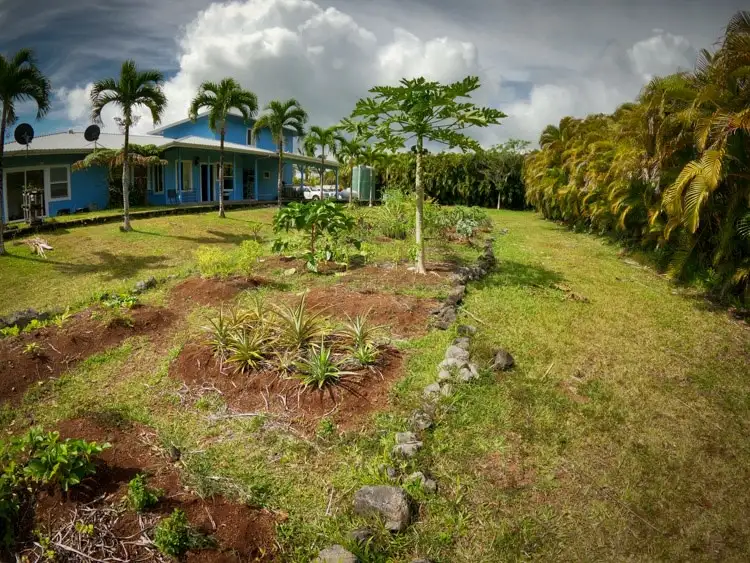
Horticultural Therapy
Gardening can be both meditative and inspiring. This therapy encourages social, emotional, and physical recovery.
Experiential
Expressive tools and therapies help patients process past situations, learn more about themselves, and find healing through action.
Play Therapy
This approach is commonly used with children. It incorporates elements of play and self-expression, like boardgames, finger painting, dolls, and blocks.
Conditions We Treat
Anxiety
Anxiety disorders involve excessive worry and physical symptoms such as tension and elevated blood pressure, often interfering with daily life.
Co-Occurring Disorders
When someone has both a mental health disorder and substance abuse issue, it is known as a dual diagnosis or co-occurring disorder.
Trauma
Traumatic experiences can result in long-lasting mental health challenges, often referred to collectively as trauma, requiring specialized care.
Anger
While anger itself is not a disorder, it can become problematic if it disrupts relationships and daily activities, making management strategies essential.
Stress
While stress can help you adapt to challenges, chronic stress can lead to serious physical and mental health problems that require intervention.
Depression
Depression ranges from mild to severe, causing feelings of fatigue, numbness, and disinterest in daily activities, impacting overall well-being.
Internet Addiction
Compulsive internet use, especially among children and teens, can impact relationships, academic performance, and health, needing proper management.